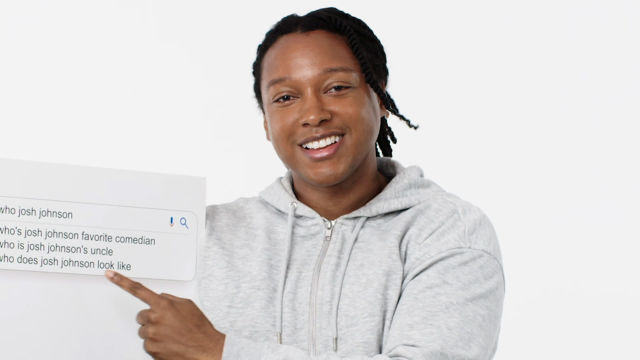
Mercedes CEO Answers F1 Team Principal Questions
Released on 11/21/2025
Hi, my name is Toto Wolff.
I'm the CEO and team principal
of the Mercedes-AMG Petronas Formula 1 team.
And I'm here to answer your questions.
So this is F1 Team Principle Support.
[upbeat music]
@CauliflowerNice.
How do you make decisions when the data says one thing
but your instinct says another?
Formula 1 is the only real spot where you have
that interaction between engineering and the human.
So we have all of these data channels
that provide us information around what the car does,
and then you have a human in the car that's driving it.
You can't really map that human
because what does it mean to have a good and a bad day?
What does it mean to slide a car
and the engineer saying, I can't see that.
You know, the driver will say,
Well, I think the car moves on braking.
The engineer says, It doesn't do that really much.
So I am a little bit of the translator
between the driver feedback
and what the engineers see in the data.
I've been eraser myself, but I'm realistic.
This is a data-driven sport. This is engineering.
So instinct plays a role when it comes about judging
how a driver feels
and judging about whether strategy is realistic
from the driver's point of view.
And in that context, I'm helping the engineers
that actually run the operation
with the kind of more common sense approach,
but it's that interaction data
and instinct that hopefully makes a team successful.
The next one, @maxfriedrice.
What happened to F1 team principles accusing everyone
and their mother of cheating?
Where is your rage?
You think I'm not enraged anymore.
I would see this as a success.
You know, I've been very angry, very emotional at times
because when we are being taken for a ride,
I see this as my tribe.
I want to protect the organization and the people
and this is where I can emotionally react.
Now as a leader of the team, I should be also balanced
and not oscillate between exuberance and depression.
So I'm trying to get better over the years
and have less of that rage.
Managers and trainers
and coaches are very emotional about it
in order to motivate their players,
motivate the organization.
So we are a little bit all from the same cloth.
We are sports people
and we want the best for our organizations and for the team.
We are also in a different era now.
I think the team principles
of the past were the ones running the organizations
being co-owners stems from the Frank Williams days
and Ron Dennis where it was smaller organizations
and probably I'm the last dinosaur left
of that old generation,
today is more common sense balanced engineers
that runs some of the team.
The next one up is @WheelWithWobi,
Who is currently the most underrated driver in F1?
for me, it's clear, it's George Russell.
He's won everything, in go-karting in Formula 3, Formula 2,
he came into the team next to Lewis Hamilton,
the biggest sports star in our industry,
if not one of the biggest overall.
But George has grown so much as a driver in his skills
and as a personality.
And I think today he's definitely right up there
and someone that leads the team going forward.
@bybrandanwhite.
Do you think we've reached a ceiling
of F1's global growth or is this just the beginning?
I think neither of the two
because the sport has grown over more than 70 years now,
and there were episodes where the incremental was huge
and other phases where it kind of leveled off.
But overall the trend is always up.
I think what we see now is that we had great racing,
great rivalries, good personalities coming up, polarizing
and controversial people also.
Netflix certainly had a big part in the success,
particularly in the United States.
The social media activities
of the drivers are much more than they used to be
in the past.
And I think all of that kind of made us grow very strong.
Our strongest growing audience base is young females,
15 to 24,
total female fan base is 42% believe it or not.
And I think that it's quite balanced
between the hardcore fans of the past
that love the loud, roaring engines
and all of the new generation, the Gen Zs that follow it
with great interest from the free practice sessions
all the way to the race.
Now I'm always seeing the world
in a half empty glass perspective rather than half full.
And we need to be continuing
to handle the sport with great care.
We must never believe that this is the real deal,
this is so successful and it's gonna continue forever,
the Apple deal taking the rights in the US
which is fantastic for the sport.
So we need to be really aware
that we have a great thing at our hands
and it needs to be entertaining,
it needs to be unpredictable
and that's what we always try to calibrate in the right way.
So the next question, @yogiv88 asks,
How is a typical Formula 1 team set up?
The typical setup is
that we are divided into three entities.
One is producing the engines, that's about 1,200 people.
The other one, which is all chassis-related items,
it's in principle the same size.
And then there is the race team itself,
which is around 150 people that travel to the races
and are basically deploying the product
and that includes the drivers.
So what you see on television is only the race team.
So it's literally the tip of the iceberg
and most of the performance is being done in the factories.
Next up, ryogadan asks,
What does an F1 team principle actually do?
So as a team principal,
I have responsibility not only for the racing team
but all of the wider organization, we about 1,200 people.
And it's not only technical, it is also the commercial side,
legal, finance, HR, IT,
and obviously I'm in charge of doing that in a way
around people that run racing cars.
@joshahamilton, Question for the F1 geeks,
is team principle the same thing as crew chief?
Formula 1 is a bit weird in that sense
because a team principle is
what you would see in American sports as the president,
the CEO, the coach, the trainer, and the crew chief.
So it's all within our roles.
Now obviously our organizations have grown
from back in the day a hundred people to 2,000 people
that are dedicated to these roles.
But fundamentally the of the team principal is to look
after all of these so there is no clear, let's say cut,
between a CEO US-style sports team
and the sporting director
or the coach is what we do as team principals.
From pickle-shrimp.
Why do Mercedes race engineers, strategists
and Toto sit inside the garage during races?
So this is a little bit of a legacy situation.
In the previous setups of teams,
the team principal would sit on the pit wall
to oversee the pit lane
to oversee what's happening on the main straight.
We don't use stopwatches
and we don't look at cars that are passing by,
but it's kind of remained there.
I have decided to change it for myself
not to sit on a pit wall but to be in the garage.
So you can see me standing
in the middle island center console so I can see the left
and the right side of the garage
and that gives me the best possible overview.
The mechanics refer to it as the fantasy island
because engineers
and myself we dream stuff up there
rather than doing the hard work.
So where I sit, I basically have a few data channels
that I look at.
I can follow all timing, comparison to the other drivers,
I have charts and overlays that I look at,
what are our cornering speeds looking like
compared to the opposition?
I'm seeing GPS data, how the cars zoom around the track.
So there's plenty of information.
I'm also speaking to many engineers.
My intercom channel has about 30 people that I listen to
and it's a little bit like an airplane.
So you get used to hearing voices out of the chaos.
That is a big part of deciding
what the strategy needs to do,
being a partner for some of the engineers
and challenging them.
This question is from @remybergsma.
What's the toughest decision you made this season
and also the easiest?
Some of the tough and easy decisions,
you know they happen outside of the trek.
I'm responsible to running quite a large organization
and when it comes about taking decisions
on an organizational structure,
telling people that maybe we should change their role
or maybe not have them anymore,
that is always really difficult,
especially when some of the people have been with you
on a journey for quite a long time.
And equally I really enjoy having conversations
with the engineers, the drivers,
the marketing people when growing the spot together.
So it's mostly the human interaction
with all its difficult aspects of discussions
and all of the positive ones.
@RafaKill28.
Simple question,
how many hours of sleep do you get a night?
The job of team manager
seems like a job you can easily practice 24/7.
Now I think sleep matters us for most of all
and we don't get a lot of sleep, we travel a lot.
I did more than 550 hours of airplane last year
through the various time zones, but that comes with the job.
So I'm trying to get my seven to eight hours sleep.
I try to sleep whenever I'm tired, you know,
put me on a plane, I'll sleep.
And when I'm back in Europe I try to have a strict regime.
I'm not a morning person
so for me it's no meetings before 10 o'clock
and the same way I stay very long,
I go to the gym at eight o'clock in the evening, have dinner
and get these hours of sleeping and you should do the same.
So the next one is from @shufflupaguss.
What's the most important psychological trait
a driver engineer needs to thrive under pressure?
I think pressure needs to be your comfort zone in a way,
there is no hiding.
This is a sport where you constantly operate
with immense pressure.
You know, I'm always laughing a bit when companies tell us
we need to report four times a year in our earnings scores
and it's difficult for a long-term strategy deployment
and I'm think we are reporting 24 times a year
and we are only as good as our last race.
So it goes from hero to zero
and the other way around,
one weekend is the Mercedes dominance continues
and the next week and he's told he should leave the team
because they're losing all the time.
So this is the pressure environment we find ourselves,
now the drivers have gotten used to it
because they have been go-karting since they're six.
So it's almost like the normal state
and only the ones who can sustain that pressure
will eventually make it into Formula 1.
It's not only talent.
And the same on the managerial side.
If pressure is something that you don't enjoy,
maybe having a role that is not at the forefront
of the race team, it's better for you.
So we are all different personalities,
we're all different in terms of strengths and weaknesses
and we are trying to position the individuals
in their kind of field of competence.
@sidbarca10 asks,
What are the biggest challenges you face
when running the Mercedes F1 team
and how you and your team overcame those challenges,
like what is your approach to problem-solving?
It's all about the human.
We won eight world championship titles in a row
and that hasn't been done in any other sport.
You know the Boston Celtics will claim
they did it in the NBA,
but obviously that's a regional championship only,
just joking obviously.
But our sport is is engineering.
Our sport is data, but data don't take decisions, humans do.
And being able to set up a framework
for those high-performing individuals, being authentic
and taking an interest in the individual,
what is it that I can do to make you perform better?
I can't design an aerodynamic surface,
but I try to spend some time with the guy who can.
And I hope that this trickles down in the organization
that we look after our people whilst acknowledging
that this is the most difficult environment
that you could possibly operate.
It's Formula 1, it's the pinnacle of motor racing,
Random_citizen_.
Can someone explain to a new F1 fan
why Mercedes is such a dominant team?
Now first of all, we don't feel any sense of entitlement
to be a dominant team.
We have been lucky to having had the right people
in our organization because it's a human spot as well.
Whilst there is all of the engineering side,
it's humans in the car and outside of the car.
And I think we have such a great group of individuals
that over the many years has grown but has also changed.
We've had very good years, we've had more difficult ones,
but we've always been part of the top game,
eight consecutive world championships.
We finished second and third, unfortunately fourth one time,
but we've always won races
and maybe that's why the perception is
that we are dominant team
and obviously Mercedes,
it's the best car brand in the world.
We have to be kept on our toes.
We must never stop pushing the limits
because in this sport it could quickly fail.
So this question is from the Ask Formula 1 Subreddit.
How has AI or predictive analytics
actually changed how you approach strategy?
How has it evolved?
So of course AI is an area
that is going stronger and stronger in Formula 1
because we are data-driven business,
we have used this a long time.
But having said that is really difficult
to model the driver,
to model the human with all of its infinite sensors.
We are playing through 10,000 possible scenarios
when it comes to race strategy.
And like Mike Tyson said,
Everybody has a strategy
until he gets punched on the nose.
So this is how racing pans out.
You can discuss all kind of scenarios
and then there's the human in the car
and he reacts differently to what you expected.
So I love that.
So, @finishmetea.
Have any of the F1 team principles
ever driven one of their cars?
Many of us have been racing drivers,
some better, some worse.
But I decided once I quit professional racing
that I wouldn't drive our own F1 cars.
I have my own expectations what performance would look like.
And I'm 53 now
and I wouldn't want to see myself
not meeting my own expectations.
But there's some colleagues of mine that enjoy doing that.
Maybe not zooming around the tracks like pros would do,
maybe more snail speed, but they still do that for fun.
Others play golf or padel.
For me it's rather trying to do the best for the F1 team
and certainly driving our cars,
that wouldn't add any performance to what we do.
[Lauren] Wait, could you name who the colleagues are?
No, then I really put them into the water.
[Lauren laughing]
They know.
This one is from @winterwo1f.
If you were to design/customize your own F1 car
without limitations,
how would you design it to make it stand out?
Well, there's a technical aspects.
What I would design is the fastest car
that could potentially go around the track on this planet.
I would do fans below the car where you have suction
so the car is literally sucked onto the ground.
Big wings and the huge 12 cylinder engine that roars,
I would make them light, nimble,
when it comes to the design,
you know we are the Silver Arrows.
It's quite an interesting historical aspect.
The Mercedes in Formula 1 have been white
and in one race, car was too heavy,
so they had to take off the white paint
down to the bare aluminum to make the minimum weight.
And that's the color that stayed with us since then.
But since Lewis joined the team,
we stand for diversity and equality,
and Lewis suggested let's make the car black.
And so today the modern Formula 1 Mercedes car is black
and silver.
So this is a design
that I would in any case maintain from a dream car.
Lots of Mercedes stars and the AMG logo, the Chevron.
So this is everything for today. I hope you learned a lot.
Thanks for watching F1 Team Principal Support.
[upbeat music]

Gordon Ramsay Answers Cooking Questions From Twitter

Ken Jeong Answers Medical Questions From Twitter

Bill Nye Answers Science Questions From Twitter

Blizzard's Jeff Kaplan Answers Overwatch Questions From Twitter

Nick Offerman Answers Woodworking Questions From Twitter

Bungie's Luke Smith Answers Destiny Questions From Twitter

Jackie Chan & Olivia Munn Answer Martial Arts Questions From Twitter

Scott Kelly Answers Astronaut Questions From Twitter

LaVar Ball Answers Basketball Questions From Twitter

Dillon Francis Answers DJ Questions From Twitter

Tony Hawk Answers Skateboarding Questions From Twitter

Jerry Rice Answers Football Questions From Twitter

Garry Kasparov Answers Chess Questions From Twitter

U.S. Olympic and Paralympic Athletes Answer Olympics Questions From Twitter

Neuroscientist Anil Seth Answers Neuroscience Questions From Twitter

Blizzard's Ben Brode Answers Hearthstone Questions From Twitter

John Cena Answers Wrestling Questions From Twitter

The Slow Mo Guys Answer Slow Motion Questions From Twitter

Bill Nye Answers Even More Science Questions From Twitter

James Cameron Answers Sci-Fi Questions From Twitter

Best of Tech Support: Bill Nye, Neil DeGrasse Tyson and More Answer Science Questions from Twitter

Riot Games' Greg Street Answers League of Legends Questions from Twitter

Riot Games' Greg Street Answers Even More League of Legends Questions from Twitter

PlayerUnknown Answers PUBG Questions From Twitter

Liza Koshy, Markiplier, Rhett & Link, and Hannah Hart Answer YouTube Creator Questions From Twitter

NCT 127 Answer K-Pop Questions From Twitter

Neil deGrasse Tyson Answers Science Questions From Twitter

Ken Jeong Answers More Medical Questions From Twitter

Bon Appétit's Brad & Claire Answer Cooking Questions From Twitter

Bang Bang Answers Tattoo Questions From Twitter

Ed Boon Answers Mortal Kombat 11 Questions From Twitter

Nick Jonas and Kelly Clarkson Answer Singing Questions from Twitter

Penn Jillette Answers Magic Questions From Twitter

The Russo Brothers Answer Avengers: Endgame Questions From Twitter

Alex Honnold Answers Climbing Questions From Twitter

Sloane Stephens Answers Tennis Questions From Twitter

Bill Nye Answers Science Questions From Twitter - Part 3

Astronaut Nicole Stott Answers Space Questions From Twitter

Mark Cuban Answers Mogul Questions From Twitter

Ubisoft's Alexander Karpazis Answers Rainbow Six Siege Questions From Twitter

Marathon Champion Answers Running Questions From Twitter

Ninja Answers Fortnite Questions From Twitter

Cybersecurity Expert Answers Hacking Questions From Twitter

Bon Appétit's Brad & Chris Answer Thanksgiving Questions From Twitter

SuperM Answers K-Pop Questions From Twitter

The Best of Tech Support: Ken Jeong, Bill Nye, Nicole Stott and More

Twitter's Jack Dorsey Answers Twitter Questions From Twitter

Jodie Whittaker Answers Doctor Who Questions From Twitter

Astronomer Jill Tarter Answers Alien Questions From Twitter

Tattoo Artist Bang Bang Answers More Tattoo Questions From Twitter

Respawn Answers Apex Legends Questions From Twitter

Michael Strahan Answers Super Bowl Questions From Twitter

Dr. Martin Blaser Answers Coronavirus Questions From Twitter

Scott Adkins Answers Martial Arts Training Questions From Twitter

Psychiatrist Daniel Amen Answers Brain Questions From Twitter

The Hamilton Cast Answers Hamilton Questions From Twitter

Travis & Lyn-Z Pastrana Answer Stunt Questions From Twitter

Mayim Bialik Answers Neuroscience Questions From Twitter

Zach King Answers TikTok Questions From Twitter

Riot Games Answers League of Legends Questions from Twitter

Aaron Sorkin Answers Screenwriting Questions From Twitter

Survivorman Les Stroud Answers Survival Questions From Twitter

Joe Manganiello Answers Dungeons & Dragons Questions From Twitter

"Star Wars Explained" Answers Star Wars Questions From Twitter

Wizards of the Coast Answer Magic: The Gathering Questions From Twitter

"Star Wars Explained" Answers More Star Wars Questions From Twitter

VFX Artist Answers Movie & TV VFX Questions From Twitter

CrossFit Coach Answers CrossFit Questions From Twitter

Yo-Yo Ma Answers Cello Questions From Twitter

Mortician Answers Cadaver Questions From Twitter

Babish Answers Cooking Questions From Twitter

Jacob Collier Answers Music Theory Questions From Twitter

The Lord of the Rings Expert Answers More Tolkien Questions From Twitter

Wolfgang Puck Answers Restaurant Questions From Twitter

Fast & Furious Car Expert Answers Car Questions From Twitter

Former FBI Agent Answers Body Language Questions From Twitter

Olympian Dominique Dawes Answers Gymnastics Questions From Twitter

Allyson Felix Answers Track Questions From Twitter

Dr. Michio Kaku Answers Physics Questions From Twitter

Former NASA Astronaut Answers Space Questions From Twitter

Surgeon Answers Surgery Questions From Twitter

Beekeeper Answers Bee Questions From Twitter

Michael Pollan Answers Psychedelics Questions From Twitter

Ultramarathoner Answers Questions From Twitter

Bug Expert Answers Insect Questions From Twitter

Former Cult Member Answers Cult Questions From Twitter

Mortician Answers MORE Dead Body Questions From Twitter

Toxicologist Answers Poison Questions From Twitter

Brewmaster Answers Beer Questions From Twitter

Biologist Answers Biology Questions From Twitter

James Dyson Answers Design Questions From Twitter

Dermatologist Answers Skin Questions From Twitter

Dwyane Wade Answers Basketball Questions From Twitter

Baker Answers Baking Questions from Twitter

Astrophysicist Answers Questions From Twitter

Age Expert Answers Aging Questions From Twitter

Fertility Expert Answers Questions From Twitter

Biological Anthropologist Answers Love Questions From Twitter

Mathematician Answers Math Questions From Twitter

Statistician Answers Stats Questions From Twitter

Sleep Expert Answers Questions From Twitter

Botanist Answers Plant Questions From Twitter

Ornithologist Answers Bird Questions From Twitter

Alex Honnold Answers MORE Rock Climbing Questions From Twitter

Former FBI Agent Answers MORE Body Language Questions From Twitter

Waste Expert Answers Garbage Questions From Twitter

Garbage Boss Answers Trash Questions From Twitter

J. Kenji López-Alt Answers Cooking Questions From Twitter

Veterinarian Answers Pet Questions From Twitter

Doctor Answers Gut Questions From Twitter

Chemist Answers Chemistry Questions From Twitter

Taste Expert Answers Questions From Twitter

Paleontologist Answers Dinosaur Questions From Twitter

Biologist Answers More Biology Questions From Twitter

Biologist Answers Even More Biology Questions From Twitter

ER Doctor Answers Injury Questions From Twitter

Toxicologist Answers More Poison Questions From Twitter

Energy Expert Answers Energy Questions From Twitter

BBQ Pitmaster Answers BBQ Questions From Twitter

Neil Gaiman Answers Mythology Questions From Twitter

Sushi Chef Answers Sushi Questions From Twitter

The Lord of the Rings Expert Answers Tolkien Questions From Twitter

Audiologist Answers Hearing Questions From Twitter

Marine Biologist Answers Shark Questions From Twitter

Bill Nye Answers Science Questions From Twitter - Part 4

John McEnroe Answers Tennis Questions From Twitter

Malcolm Gladwell Answers Research Questions From Twitter

Financial Advisor Answers Money Questions From Twitter

Stanford Computer Scientist Answers Coding Questions From Twitter

Wildlife Vet Answers Wild Animal Questions From Twitter

Climate Scientist Answers Earth Questions From Twitter

Medical Doctor Answers Hormone Questions From Twitter

James Hoffmann Answers Coffee Questions From Twitter

Video Game Director Answers Questions From Twitter

Robotics Professor Answers Robot Questions From Twitter

Scam Fighters Answer Scam Questions From Twitter

Forensics Expert Answers Crime Scene Questions From Twitter

Chess Pro Answers Questions From Twitter

Former FBI Agent Answers Body Language Questions From Twitter...Once Again

Memory Champion Answers Questions From Twitter

Neuroscientist Answers Illusion Questions From Twitter

Immunologist Answers Immune System Questions From Twitter

Rocket Scientists Answer Questions From Twitter

How Vinyl Records Are Made (with Third Man Records)

Neurosurgeon Answers Brain Surgery Questions From Twitter

Therapist Answers Relationship Questions From Twitter

Polyphia's Tim Henson Answers Guitar Questions From Twitter

Structural Engineer Answers City Questions From Twitter

Harvard Professor Answers Happiness Questions From Twitter

A.I. Expert Answers A.I. Questions From Twitter

Pizza Chef Answers Pizza Questions From Twitter

Former CIA Chief of Disguise Answers Spy Questions From Twitter

Astrophysicist Answers Space Questions From Twitter

Cannabis Scientist Answers Questions From Twitter

Sommelier Answers Wine Questions From Twitter

Mycologist Answers Mushroom Questions From Twitter

Genndy Tartakovsky Answers Animation Questions From Twitter

Pro Card Counter Answers Casino Questions From Twitter

Doctor Answers Lung Questions From Twitter

Paul Hollywood & Prue Leith Answer Baking Questions From Twitter

Geneticist Answers Genetics Questions From Twitter

Sneaker Expert Jeff Staple Answers Sneaker Questions From Twitter

'The Points Guy' Brian Kelly Answers Travel Questions From Twitter

Master Chef Answers Indian Food & Curry Questions From Twitter

Archaeologist Answers Archaeology Questions From Twitter

LegalEagle's Devin Stone Answers Law Questions From Twitter

Todd McFarlane Answers Comics Questions From Twitter

Reptile Expert Answers Reptile Questions From Twitter

Mortician Answers Burial Questions From Twitter

Eye Doctor Answers Eye Questions From Twitter

Computer Scientist Answers Computer Questions From Twitter

Neurologist Answers Nerve Questions From Twitter

Hacker Answers Penetration Test Questions From Twitter

Nutritionist Answers Nutrition Questions From Twitter

Experts Predict the Future of Technology, AI & Humanity

Doctor Answers Blood Questions From Twitter

Sports Statistician Answers Sports Math Questions From Twitter

Shark Tank's Mark Cuban Answers Business Questions From Twitter

Marvel’s Spider-Man 2 Director Answers Video Game Questions From Twitter

Criminologist Answers True Crime Questions From Twitter

Physicist Answers Physics Questions From Twitter | Tech Support

Chess Pro Answers More Questions From Twitter

The Police's Stewart Copeland Answers Drumming Questions From Twitter | Tech Support

Ancient Rome Expert Answers Roman Empire Questions From Twitter

Mathematician Answers Geometry Questions From Twitter | Tech Support

Toy Expert Answers Toy Questions From Twitter | Tech Support

Pepper X Creator Ed Currie Answers Pepper Questions From Twitter

Mineralogist Answers Gemstone Questions From Twitter | Tech Support

Jacob Collier Answers Instrument & Music Theory Questions From Twitter | Tech Support

Mechanical Engineer Answers Car Questions From Twitter

Dermatologist Answers More Skin Questions From Twitter | Tech Support

Egyptologist Answers Ancient Egypt Questions From Twitter

Cardiologist Answers Heart Questions From Twitter | Tech Support

Marine Biologist Answers Fish Questions From Twitter | Tech Support

Real Estate Expert Answers US Housing Crisis Questions | Tech Support

Paleoanthropologist Answers Caveman Questions From Twitter | Tech Support | WIRED

Zack Snyder Answers Filmmaking Questions From Twitter | Tech Support

Survivalist Answers Survival Questions From Twitter | Tech Support

Celebrity Trainer Answers Workout Questions From Twitter | Tech Support

Primatologist Answers Ape Questions From Twitter | Tech Support

Psychiatrist Answers Mental Health Questions From Twitter | Tech Support

Maya Expert Answers Maya Civilization Questions From Twitter | Tech Support

Biomedical Scientist Answers Pseudoscience Questions From Twitter

Violinist Answers Violin Questions From Twitter

Lando Norris & Oscar Piastri Answer Formula 1 Questions From Twitter

Medievalist Professor Answers Medieval Questions From Twitter

Stock Trader Answers Stock Market Questions From Twitter

Pyrotechnician Answers Fireworks Questions From Twitter

Storm Chaser Answers Severe Weather Questions From Twitter

Professor Answers Ancient Greece Questions From Twitter

AI Expert Answers Prompt Engineering Questions From Twitter

Etiquette Expert Answers Etiquette Questions From Twitter

'Pod Save America' Hosts Answer Democracy Questions From Twitter

Roller Coaster Engineer Answers Roller Coaster Questions From Twitter

Urban Designer Answers City Planning Questions From Twitter

Joey Chestnut Answers Competitive Eating Questions From Twitter

Aerospace Engineer Answers Airplane Questions From Twitter

Microbiologist Answers Microbiology Questions From Twitter

Viking Age Expert Answers Viking Questions From Twitter

Volcanologist Answers Volcano Questions From Twitter

Private Investigator Answers PI Questions

Neuroscientist Answers Emotion Questions

Historian Answers Wild West Questions

Linguist Answers Word Origin Questions

Historian Answers Witchcraft Questions

Scammer Payback Answers Scam Questions

Urban Designer Answers More City Planning Questions

Historian Answers Pirate Questions

Cult Deprogrammer Answers Cult Questions

Historian Answers Samurai Questions

Demographics Expert Answers Population Questions

Air Crash Investigator Answers Aviation Accident Questions

Arctic Explorer Answers Polar Expedition Questions

Presidential Historian Answers Presidency Questions

Pregnancy Doctor Answers Pregnancy Questions

Paleontologist Answers Extinction Questions

Football Historian Answers Football Questions

Biomedical Scientist Answers New Pseudoscience Questions

Psychologist Answers Couples Therapy Questions

Clinical Pharmacist Answers Pharmacology Questions

Historian Answers Renaissance Questions

Dungeon Master Brennan Lee Mulligan Answers DnD Questions

Surgeon Answers Transplant Questions

Keanu Reeves Answers Motorcycle Questions With Gard Hollinger

History Professor Answers Dictator Questions

Professor Answers AI Questions

Comedian Matteo Lane Answers Stand-Up Questions

Professor Answers Supply Chain Questions

LegalEagle's Devin Stone Answers Criminal Law Questions

Doctor Answers Physical Therapy Questions

Historian Answers Cold War Questions

Cheating Expert Answers Casino Cheating Questions

Sexuality Professor Answers Dating Questions

Cybersecurity Expert Answers Hacking History Questions

Farmer Answers Farming Questions

Entomologist Answers Insect Questions

Boating Expert Answers Boat Questions

Film Historian Answers Old Hollywood Questions

Professor Answers Neurodiversity Questions

Paleontologist Answers Fossil Questions

David Guetta Answers DJ Questions

Law Professor Answers Supreme Court Questions

Astrobiologist Answers Astrobiology Questions

Political Scientist Answers China Questions

Biomedical Scientist Answers More Pseudoscience Questions

Nuclear Historian Answers Nuclear War Questions

Teacher Answers Teacher Questions

CEO Answers Startup Questions

Harvard Professor Answers Middle East Questions

Jon Batiste Answers Piano Questions

Immigration Lawyer Answers Immigration Questions

Neurosurgeon Answers Brain-Computer Interface Questions

Historian Answers Latin American History Questions

Kevin O'Leary Answers Investor Questions

Engineering Professor Answers Electric Car Questions

Language Expert Answers English Questions

Historian Answers Folklore Questions

Historian Answers Native American Questions

Economics Professor Answers Great Depression Questions

Historian Answers Revolution Questions

Max Verstappen Answers F1 Driver Questions

Mercedes CEO Answers F1 Team Principal Questions

Alex Honnold Answers Rock Climbing Questions

Army Historian Answers World War II Questions

Doctor Answers Vaccine Questions

Professor Answers Coding Questions

Historian Answers Victorian England Questions

Hideo Kojima Answers Hideo Kojima Questions

Doctor Answers Longevity Questions

Professor Answers Television History Questions

Jacques Torres Answers Chocolatier Questions

Astronomer Answers Cosmos Questions

Supply Chain Expert Answers Chinese Manufacturing Questions

Professor Answers Olympic History Questions

Paralympian Answers Paralympics Questions

Olympian Answers Figure Skating Questions

Collectibles Expert Answers Collectibles Questions

Your Rich BFF Vivian Tu Answers Personal Finance Questions

Voice Acting Legend Jim Cummings Answers Voice Acting Questions

Finance Professor Answers Investing Questions

F1 Chief Mechanic Answers F1 Car Questions

Doctor Answers Women's Health Questions

Doctor Answers Surrogacy Questions

Former Deputy National Security Advisor Answers Geopolitics Questions

Professional Birder Answers Birding Questions

Self Defense Expert Answers Self Defense Questions

Home Inspector Answers House Safety Questions

Harvard Professor Answers Iran War Questions

Harvard Professor Answers Iranian Government Questions

Harvard Professor Answers Iranian History Questions

Caltech Professor Answers Robotics Questions

Doctor Answers Lung Questions

Architect Answers Architecture Questions

Cybersecurity Expert Answers Hacking Questions

Hardware Architect Answers Microchip Questions

Medical Historian Answers History of Medicine Questions

Tom Scott Answers Content Creator Questions

Investigative Genealogist Answers DNA Questions

History Professor Answers Industrial Revolution Questions

Taylor Fritz Answers Tennis Questions

Bernie Sanders Answers Oligarchy Questions

History Professor Answers Corruption Questions

History Professor Answers: Is American Democracy Going to Die?

Forest Ecologist Answers Tree Questions

Ms. Rachel Answers Parenting Questions